The pressure cooker feels real to a lot of London teens. Marks that determine university pathways, competitive sports schedules, part‑time work to help at home, and a phone that never stops buzzing. Add winter commutes, teacher strikes that reshuffle assessments, and the jump from Grade 10 to senior courses, and it is no surprise that many students start to run on fumes by midterm.
I have sat with families from all over the city who have watched a capable teenager stall out. The pattern is familiar. Report cards that once were tidy begin to wobble. A bright student starts saying, “What’s the point?” or, in the other direction, doubles down with 3 a.m. Study sessions and a jaw that never unclenches. Counselling London Ontario is not simply about raising grades. It is about helping teens face academic pressure with tools that protect their mental health and keep options open, without burning out at 16.
How academic pressure shows up in London teens
Pressure rarely looks the same in two students. One teen becomes restless and sharp with siblings, then apologizes and retreats to their room. Another locks in, develops rituals around studying, and melts down if a binder is not in the right order. Sleep becomes choppy, then scarce. A soccer player suddenly dreads practice and reports a “heavy” feeling in their chest at school.
In London, I often hear about the pinch points tied to our local context. Teens aiming for Western University see specific grade cutoffs and course prerequisites looming. Co‑op and SHSM placements are exciting, but the weekly rhythm gets complicated when those hours compete with chemistry labs and math tests. Guidance counsellors do their best, but during course selection season the line outside the office can snake down the hallway. Teens with IEPs face a harder trek when support staff shift or resources are thin. All of this lands on developing brains that want to do well and also want to be liked, fit in, and figure out who they are.
What is driving the load
Teens tell me about relentless comparisons. A.B. Lucas or London Central classmates broadcasting 97s in calculus. A friend posting a Western acceptance in February. A coach hinting that a missed tournament will cost a starting position. For immigrant families, the story often includes high hopes from parents who worked hard to settle in the city, and a teen caught between gratitude and overwhelm. For others, there is financial pressure. A part‑time job at White Oaks Mall or a food service shift that ends late means homework happens when the house is finally quiet.
The pandemic years amplified gaps. Students who weathered online learning in Grade 8 or 9 carry real skill holes into senior courses. Many have never learned how to study without a device nearby, and the dopamine stream of short videos doesn’t mesh well with 40 pages of biology notes.
When to reach for help
Every family figures out its thresholds, and there is no single sign that says therapy is required. A general rule I offer parents is this: if school pressure has been the dominant topic, mood, or conflict in your home for more than a month, and home strategies haven’t moved the needle, it is time to bring in a professional. A therapist London Ontario who works with teens understands the school rhythms, the local postsecondary pathways, and the dynamics that often ride along with achievement anxiety.
Here is a short checklist families in London often use to decide whether to start counselling:
- Sleep is consistently under 6 hours, or the teen struggles to fall asleep at least 3 nights a week. School avoidance pops up, including late arrivals, repeated absences, or frequent calls home. Panic symptoms before tests or presentations, like chest tightness, nausea, or shaking. Perfectionism stalls work. A teen spends hours on formatting, but can’t hand anything in. Family conflict spikes around homework, grades, or phone use, leaving everyone raw.
If safety concerns appear — talk of self‑harm, substance misuse to get through exams, or sudden withdrawal — reach out quickly. In London and Middlesex, Reach Out 24/7 offers crisis support and can connect you to urgent care pathways. Family doctors and school social workers can also triage.
What good teen counselling looks like in this city
Effective counselling London Ontario for academic pressure balances three priorities. First, immediate relief, because a teen drowning in assignments needs oxygen, not a lecture on the prefrontal cortex. Second, skills that transfer across courses and semesters, so next year does not repeat this one. Third, alignment with family values and realities. A plan that ignores the bus schedule, a faith commitment, or childcare duties for younger https://beckettntoc905.wpsuo.com/anxiety-therapy-london-ontario-for-social-anxiety-and-panic siblings will not hold.
Therapists in London typically draw from evidence‑based approaches and match them to the teen’s profile. Cognitive behavioural therapy helps students catch unhelpful thoughts like “If I don’t get a 90, I’ll never get into Western,” then test those beliefs against facts. Acceptance and commitment therapy helps teens notice anxious thoughts without wrestling them, then take actions that reflect what matters to them. Dialectical behaviour therapy skills teach distress tolerance for the 30 minutes before an exam, and emotion regulation for the weekend after a tough mark. Solution‑focused strategies shrink a mountain into the first foothold a teen can grab today.
When anxiety is front and center, targeted anxiety therapy London can include exposure steps like practicing a mock presentation with controlled discomfort, then debriefing. For trauma history, especially if there has been bullying, illness, a serious crash on winter roads, or other frightening events, a trauma therapy London clinician will pace the work carefully and help the teen regain a sense of safety before touching grades.
The first three sessions, practically
Parents often ask what the early weeks look like. The sequence is steady, even if details shift with each family.

- Intake clarifies goals and consent. In Ontario, minors can consent to their own therapy if they understand the nature and consequences of treatment. We review who can see what, how we handle safety issues, and what the teen hopes will change. A map of pressures. We sketch the school week, note trouble spots, identify triggers like presentations or weekday late shifts, and track how sleep, food, and screen time interact with mood and focus. Skills and a small win. We start with one or two tools the teen can use within days, like a realistic study block structure, a script for talking to a teacher, or a breathing pattern for test jitters. The aim is to leave every early session with something concrete in hand.
As schedules and trust firm up, parents join selectively. Sometimes a 15‑minute check‑in at the end of Session 2 is enough to align home expectations, especially around curfews, phone docking at night, or how to respond when a teen spirals the evening before an exam.
Academic anxiety, perfectionism, and the tug of control
Perfectionism often hides behind high achievement. A student gets 93 and feels relief for 30 minutes, then doom creeps in about the next test. The nervous system learns that relief comes only from flawless performance, so the brain doubles down. We work to widen what counts as success, and teach the body a new rhythm. A teen can hold a pencil and press gently into the desk for a tactile anchor while reading difficult text. They can schedule a five‑minute walk after 25 minutes of effort, rather than waiting for overwhelm to force a 45‑minute scroll.
Anxiety feeds on avoidance. If a teen dodges a practice presentation, the mind learns it was dangerous. Exposure, in tiny bites, flips that script. We might start with reading a paragraph out loud to the therapist, then to a parent, then to a small friend group, then ask a teacher for a low‑stakes warm‑up in class. Realistic timelines matter. Over six to eight weeks, most teens see notable changes in their relationship to stress, even if grades rise more slowly.
Executive function in real life, not a planner ad
Telling a teen to “get organized” is like telling them to “be taller.” We break down what actually moves their week. Most London high schools run semestered timetables, so heavy clusters of tests arrive every 4 to 6 weeks. Within that rhythm, we design tasks that beat friction.
I often ask students to name their hardest 10 percent of the day. For many, it is the moment they get home, hungry, with a heavy bag, and a phone chirping. We set up a 20‑minute reset ritual that stacks wins: a snack, a short body movement like 30 air squats, a 90‑second tidy of the desk, then a short, timed study block. If they commute from northwest London to Southdale for a job, we adapt. The point is to normalize micro‑planning around real constraints, not dream schedules.
Phone use is a battleground in most homes. There is no perfect rule, but there are grounded ones. Docking the phone in the kitchen after 10 p.m. Improves next‑day focus more than any study hack. When families can hold that boundary consistently for two weeks, sleep and morning mood change in visible ways.
Parents, alignment, and when couples work helps
Academic stress does not stay in a teen’s backpack. It enters the kitchen, the car, and the parents’ room. One parent may push for stricter rules, the other for compassion and flexibility. Teens feel that divide and slip through it. Brief family sessions can clear the fog. We name what is non‑negotiable for safety and health, then what is flexible. We decide which parent will check the portal for marks, and how often.
Sometimes the friction is not about the teen at all. It is about a couple who disagree on schooling values or whose communication is frayed by years of stressful Septembers. In those cases, couples counselling London can reduce the background static. Parents who find a way to talk without sarcasm or shutdown give teens a calmer runway to work on their own goals.
When school pressure intersects with trauma
Not every shaky hand before a test is trauma. But some teens carry memories that make certain academic moments feel dangerous. A humiliating presentation in Grade 6, an assault in a stairwell, a frightening medical event, a car accident on the 401 during exam season. Trauma therapy London meets those realities with care. We slow down, stabilize the body through grounding practices, and avoid flooding the teen with content. I often coordinate with the school so a student can do oral assessments with a trusted teacher or write tests in a quieter space while we rebuild capacity.
None of this is about removing all stress. It is about matching the load to the strength of the system, then gradually increasing challenge while supporting the nervous system to settle after effort.
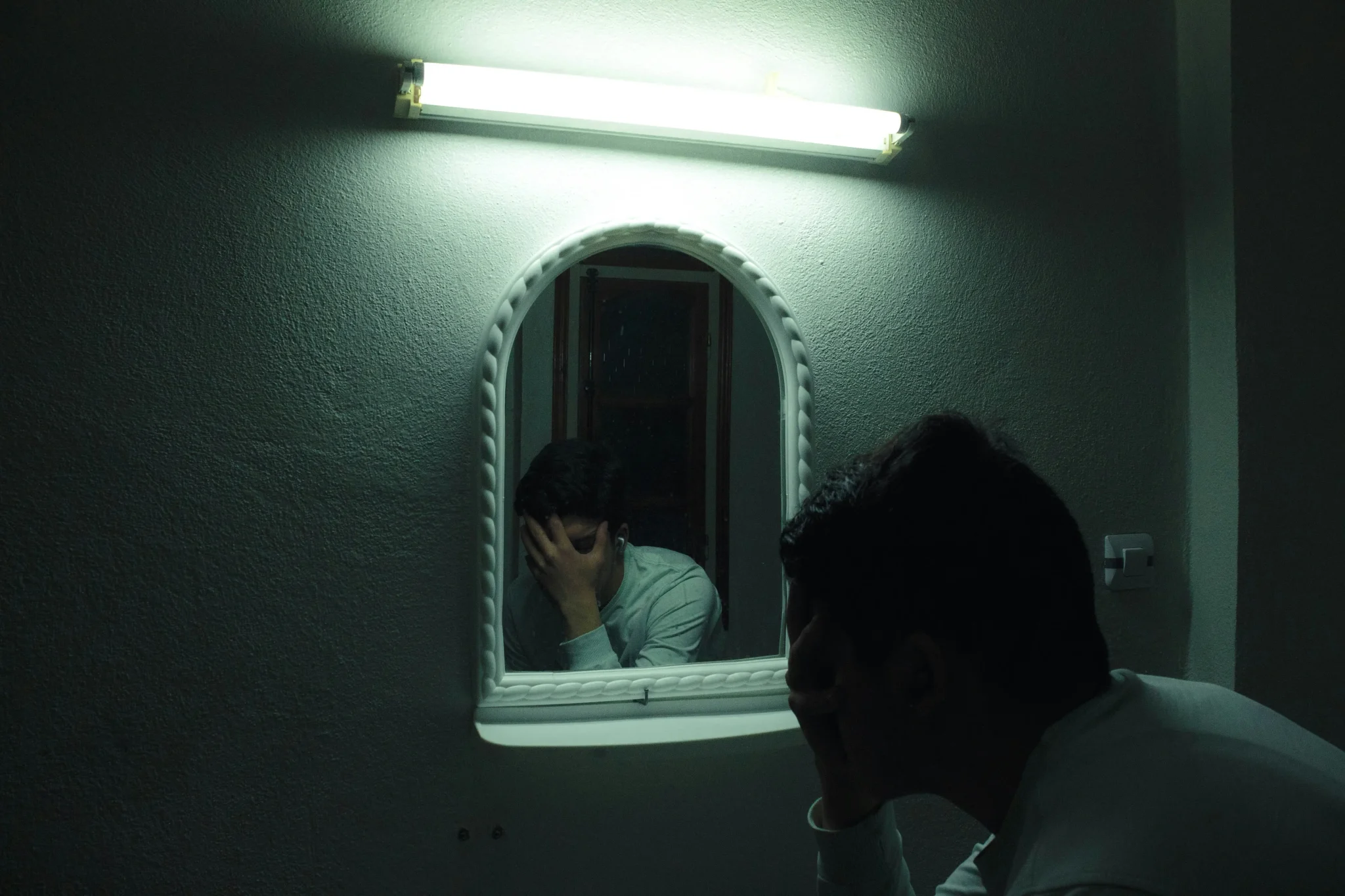
In‑person or online: choosing a format that fits
Therapy London Ontario offers both in‑office and remote options. Many teens appreciate the neutral territory of a counselling room away from home. Others prefer the privacy of their bedroom, especially when a parent works evenings or transportation is tricky. Virtual therapy Ontario is not a second‑class option when done well. With a private space, headphones, and a stable connection, Online therapy Ontario can be as effective as in‑person for academic stress, anxiety skills, and parent coaching.
A few practical notes help remote sessions succeed. Teens should place the device at eye level to reduce fatigue, have a glass of water handy, and keep a notebook nearby for quick exercises. If the home is busy, a parked car in the driveway or a quiet corner of a library can be a surprisingly solid therapy space.
The school partnership: getting teachers onside without oversharing
Teens often fear that counselling means everyone will know their business. We work respectfully with confidentiality, and with consent, craft simple, useful messages for school. A student might email a teacher, “I am working on some anxiety strategies and may request to present to a smaller group for the next assignment. I will talk to you after class Tuesday.” It is remarkable how often teachers respond with solutions when a student shows initiative.
Where a formal accommodation is appropriate, we coordinate with guidance or special education staff. The language is plain and tied to function: extra time for written assessments, permission to use a quiet room, or a clear order of tasks posted at the start of class. The goal is not permanent special handling. It is to restore capacity while the teen builds lasting skills.
What therapy costs here, and how to reduce barriers
Families are right to ask about fees. In London, private practice rates for registered psychotherapists and social workers typically range from about 120 to 180 dollars per session, and psychologists often charge 180 to 240. Some clinics offer student therapist rates in the 80 to 120 range under supervision. Extended health benefits through a parent’s workplace plan often cover a portion. School social workers and publicly funded programs exist as well, but wait times can stretch from weeks to months, especially mid‑year.
If money is tight, ask about sliding scale spots, group programs that teach anxiety skills at a lower cost, or briefer focused work across 6 to 8 sessions with clear goals. Some families combine monthly therapy with check‑ins by phone or secure chat to stretch their budget. A therapist London Ontario who understands these realities will help you plan a cadence that respects both need and means.
A short case sketch
A Grade 11 student at Saunders came in with three late assignments and a knot in her stomach that woke her at 4 a.m. Most of her anxiety centered on presentations, and she had skipped one that was worth 10 percent of her mark. We began with two sessions of anxiety skills, including paced breathing and a three‑part exposure ladder. We practiced a short paragraph out loud, then recorded a one‑minute video to send to me between sessions. She emailed her English teacher a brief note requesting to present to a smaller group after school. The teacher agreed. Her parents joined for half of Session 3 to set a phone docking station in the kitchen and define a 9:45 lights‑out. Over six sessions, she handed in two assignments and presented one in a small group. Her mark rose by 7 points. More importantly, she began saying, “I can do hard things if I plan for the wobble.”
What teens wish parents knew
The teens I work with ask for surprisingly similar things. They want home to be the place their worth is not pegged to a grade. They want help setting routines, but not surveillance. They want to be believed about how hard it is to juggle everything, even when they made choices that did not help. They also want limits that they secretly know they need. A parent who calmly ends a 1 a.m. Study session and walks their teen to bed sends a message stronger than any pep talk.
Parents carry their own histories. If you were praised only for achievement, or if you struggled in school and fear your child will repeat your path, it is easy to overcorrect. Counselling gives space for your story too, so you can support your teen without replaying old scripts.
Finding the right fit
Credentials matter, but fit matters more. Look for a clinician who works often with youth, can speak fluently about local school demands, and is comfortable collaborating with families. Search terms like counselling London Ontario, therapy London Ontario, or anxiety therapy London will surface options. Read bios and listen for a voice you could trust with your teen. A short consultation call helps you gauge whether the therapist has a plan and a presence your family can lean on.
If your schedule is intense or you live on the edges of the city where bus routes are thin, Online therapy Ontario may ease the load. If your teen needs a change of scene and a routine that physically separates school worries from home, in‑person sessions in a calm office could suit better. Either way, the work is similar: identify the pattern, teach the skills, and steady the family around the student so they can learn, rest, and grow.
The long view
Grades close chapters, but habits carry forward. A teen who learns to notice perfectionism, ask for reasonable adjustments, and return to a plan after a stumble is preparing for second‑year courses, a Fanshawe apprenticeship, or a first job downtown. With the right mix of support and challenge, academic pressure becomes one more domain where a young person learns how their mind and body work, and how to steer when the headwind picks up.
London has resources. Skilled clinicians, school staff who care, community programs that teach coping, and parents who show up even when they are exhausted. If your teen is straining under the weight of school, begin. A small, well‑timed step often changes the arc of a semester, and sometimes, the tone of a household.
Talking Works — Business Info (NAP)
Name: Talking WorksAddress:1673 Richmond St, London, ON N6G 2N3]
Website: https://talkingworks.ca/
Email: [email protected]
Hours: Monday: 9:00AM - 9:00PM
Tuesday: 9:00AM - 9:00PM
Wednesday: 9:00AM - 9:00PM
Thursday: 9:00AM - 9:00PM
Friday: 9:00AM - 5:00PM
Saturday: 9:00AM - 5:00PM
Sunday: Closed
Service Area: London, Ontario (virtual/online services)
Open-location code (Plus Code): 2PG8+5H London, Ontario
Map/listing URL: https://share.google/q4uy2xWzfddFswJbp
Embed iframe:
https://talkingworks.ca/
Talking Works provides virtual therapy and counselling services for individuals, couples, and families in London, Ontario and surrounding areas.
All sessions are held online, which can make it easier to access care from home and fit appointments into a busy schedule.
Services listed include individual counselling, couples counselling, adolescent and parent support, trauma therapy, grief therapy, EMDR therapy, and anxiety and stress management support.
If you’re unsure where to start, you can request a free 15-minute consultation to discuss your needs and get matched with a therapist.
To reach Talking Works, email [email protected] or use the contact form on https://talkingworks.ca/contact-us/.
Talking Works uses Jane for online video sessions and notes that sessions are held virtually.
For listing details and directions (if applicable), use: https://share.google/q4uy2xWzfddFswJbp.
Popular Questions About Talking Works
Are Talking Works sessions in-person or online?Talking Works notes that it is a virtual practice and that sessions are held online.
What services does Talking Works offer?
Talking Works lists services such as individual counselling, couples counselling, adolescent and parent support, trauma therapy, grief therapy, EMDR therapy, and anxiety/stress management.
How do I get started with Talking Works?
You can send a message through the contact page to request a free 15-minute consultation or to book a session with a therapist.
What platform is used for online sessions?
Talking Works states that it uses Jane for online therapy video services.
How can I contact Talking Works?
Email: [email protected]
Website: https://talkingworks.ca/
Contact page: https://talkingworks.ca/contact-us/
Map/listing: https://share.google/q4uy2xWzfddFswJbp
Landmarks Near London, ON
1) Victoria Park2) Covent Garden Market
3) Budweiser Gardens
4) Western University
5) Springbank Park